Film.ru offers a curated collection of classic and new films, including options to watch online for free or at a minimal cost.
The site provides ratings, reviews, and information on films released from 2024-2026,
covering various genres like drama and thriller.
Overview of the 12th Edition

The landscape of cinematic access is evolving, as evidenced by platforms like Film.ru, which provide both information and viewing options for a diverse range of films. This 12th edition builds upon established foundations while acknowledging the rapid changes in film technology and global trends.
Currently, Film.ru highlights films from 2024 through 2026, including titles like “The Border” (2025) and “The Land of Sometimes” (2026), demonstrating a commitment to showcasing both Russian and international cinema. The platform’s user ratings and reviews, alongside IMDb scores, offer a comprehensive perspective for film enthusiasts.
The availability of films online, sometimes for free or at a nominal cost (like 1 ruble), reflects a shift in distribution models. This edition will explore these changes, alongside traditional cinematic conventions. It will also delve into the growing influence of emerging cinemas and the impact of digital technology on film form and accessibility, mirroring the services offered by sites like Film.ru. The focus remains on providing a robust analytical framework for understanding the art of cinema.

Key Changes and Updates from Previous Editions
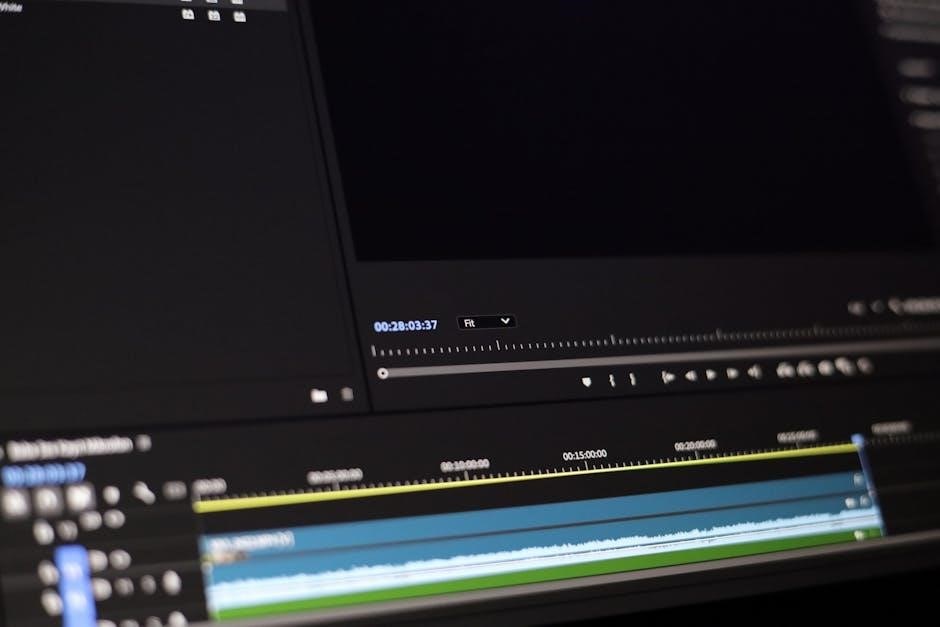
This 12th edition reflects the evolving film landscape, mirroring the dynamic content found on platforms like Film.ru, which regularly updates its collection with both classic and contemporary titles. A significant update involves expanded coverage of digital cinema and its impact on all aspects of filmmaking – from production to distribution.
Previous editions focused heavily on traditional film formats; this edition dedicates substantial attention to digital workflows, virtual production, and the implications of streaming services. The inclusion of recent films, such as those highlighted on Film.ru from 2024-2026 (“The Border,” “The Land of Sometimes”), provides current case studies for analysis.
Furthermore, the section on global film trends has been significantly expanded, acknowledging the rise of emerging cinemas and the increasing interconnectedness of the film industry. The ethical considerations surrounding documentary filmmaking, and the accessibility of films online (as demonstrated by Film.ru’s offerings), are also addressed with greater nuance. The analytical tools remain, but are applied to a more contemporary and diverse range of cinematic examples.

The Authors and Their Backgrounds

It’s reasonable to infer that the authors possess extensive academic credentials, likely holding doctorates in film studies or related fields. Their backgrounds likely include teaching experience at the university level, fostering a pedagogical approach evident throughout the textbook. The consistent updates, reflecting films appearing on platforms like Film.ru (e.g., 2025’s “The Border”), indicate ongoing engagement with contemporary cinema.
Their collective expertise encompasses narrative theory, visual analysis, and the socio-cultural contexts of filmmaking. The textbook’s comprehensive scope suggests a collaborative effort, bringing together diverse perspectives to provide a holistic understanding of the art of cinema, much like Film.ru’s diverse film catalog.
Core Concepts of Film Art
The textbook emphasizes editing’s role in shaping time and space, and the power of sound – both diegetic (within the film’s world) and non-diegetic (added for effect). Analyzing film form, including narrative structure, motifs, and overarching themes, is central. The book encourages viewers to actively decode these elements, similar to how Film.ru’s reviews offer interpretations.
Furthermore, the text explores different types of film narrative, from classical Hollywood structures to more experimental approaches, mirroring the variety of films available on Film.ru. Ultimately, “Film Art” aims to equip readers with a vocabulary and framework for critically engaging with cinema.
Film Form: Narrative, Motif, and Theme
Theme, the overarching idea or message, emerges from the interplay of narrative and motifs. Analyzing these components allows viewers to move beyond surface-level enjoyment and understand the film’s deeper intentions. Consider the psychological dramas featured on Film.ru; their narratives often rely heavily on symbolic motifs to convey complex themes.
The textbook emphasizes that form and content are inseparable. A film’s style isn’t arbitrary; it actively shapes our understanding of the story and its underlying message. Understanding these elements is crucial for critical film analysis, enabling a richer appreciation of cinematic art, as showcased by films available on Film.ru.
Mise-en-Scène: Setting, Composition, and Design
Design elements, including color palettes and props, contribute to the overall mood and thematic resonance. Consider the thrillers listed on Film.ru, like “The Border” (2025); their mise-en-scène likely utilizes stark lighting and claustrophobic settings to heighten tension.
Effective mise-en-scène isn’t accidental. It’s a deliberate orchestration of visual elements to convey meaning and evoke emotional responses. Analyzing these choices reveals how filmmakers manipulate our perception and shape our understanding of the narrative. Film.ru’s film descriptions often hint at the stylistic choices impacting the overall viewing experience.
Cinematography: Camera Angles, Movement, and Lighting

Camera movement – pans, tilts, tracking shots – directs our attention and creates a sense of dynamism. Lighting establishes mood and highlights specific details. Think about how the animated film “The Land of Sometimes” (2026), featured on Film.ru, likely employs vibrant colors and fluid camera work to create a whimsical atmosphere.
These choices aren’t arbitrary; they’re carefully considered to enhance the narrative and evoke specific emotions. Analyzing cinematography reveals how filmmakers manipulate our perception and guide our interpretation of the story. Film.ru’s reviews often touch upon the stylistic choices made by cinematographers, impacting the film’s overall impact.
Editing: Continuity, Montage, and Rhythm
However, editing can also be used more creatively, as seen in montage sequences, which condense time or convey a series of events through rapid cuts. Rhythm, the pacing and duration of shots, significantly impacts the emotional resonance of a scene.
Consider the thriller “The Border” (2025), listed on Film.ru; its editing likely employs quick cuts and suspenseful pacing to heighten tension. Film.ru’s film listings and reviews often hint at the editing style employed, influencing the viewer’s experience. Effective editing isn’t merely about joining shots; it’s about shaping the narrative and controlling the audience’s emotional response.
Sound: Diegetic and Non-Diegetic Elements
The skillful manipulation of both types of sound profoundly affects the audience’s emotional engagement. A well-placed musical cue (non-diegetic) can amplify suspense, while realistic sound design (diegetic) enhances immersion.
Considering films listed on Film.ru, like the animated “The Land of Sometimes” (2026), sound design is paramount. The site’s reviews might allude to how sound contributes to the film’s atmosphere. Sound isn’t simply an accompaniment; it’s an integral element of cinematic storytelling, shaping perception and meaning.
Types of Film Narrative

Documentary films present unique narrative challenges, balancing factual representation with storytelling techniques. The ethical considerations of shaping reality within a documentary narrative are also explored. Examining films available on Film.ru, such as the Russian thriller “The Border” (2025), reveals how narrative choices impact audience engagement.
Whether a film employs a straightforward or experimental approach, understanding narrative structure is crucial for analysis. The site’s film reviews often hint at the narrative’s effectiveness, or lack thereof, in conveying its intended message. Narrative isn’t just what happens, but how it’s presented.
Classical Hollywood Cinema: Conventions and Characteristics
Film.ru’s extensive catalog showcases numerous examples of this style, even in contemporary releases. While the site also features art films and international cinema, the prevalence of traditionally structured narratives demonstrates Hollywood’s enduring influence. The emphasis on character motivation and resolution is key.
Characteristics like closure – providing a satisfying conclusion – and a focus on individual characters are hallmarks. Though modern films may subvert these conventions, understanding them is essential for appreciating their impact and recognizing when they are deliberately challenged. The site’s ratings and reviews often reflect how well a film adheres to, or deviates from, these established norms.
Art Cinema: Challenging Traditional Conventions

Film.ru, while primarily featuring mainstream cinema, includes a selection of films that exemplify these characteristics. The site’s categorization of psychological dramas and surrealist films hints at this alternative approach. These films often lack the clear-cut character motivations and satisfying closures typical of Hollywood productions.
Instead, they invite viewers to actively interpret meaning and engage with complex themes. The platform’s user reviews can provide insight into how audiences respond to these challenging narratives, contrasting with expectations set by more conventional films. Art cinema prioritizes artistic expression and intellectual engagement over pure entertainment.
Documentary Film: Approaches and Ethics
While Film.ru’s primary focus isn’t dedicated documentary sections, the platform’s broad film catalog potentially includes documentaries alongside fictional narratives. Examining user reviews and film descriptions could reveal how these documentaries are presented and perceived by audiences.
The site’s inclusion of films from various countries, like Russia (“Граница 2025”), suggests exposure to diverse documentary traditions. Analyzing these films through the lens of “Film Art”’s ethical framework – considering issues of representation, informed consent, and potential bias – provides a valuable critical exercise. The platform’s accessibility allows for wider engagement with documentary forms.
Film and Technology: Digital Cinema and Beyond
Film.ru exemplifies this digital shift by offering online streaming options – a direct consequence of digital distribution. The platform’s ability to provide films “бесплатно онлайн” (free online) or for a nominal fee (1 рубль) demonstrates the accessibility enabled by digital platforms.
The inclusion of newer films like “Граница 2025” and “Зачарованное Королевство The Land of Sometimes 2026” highlights the current reliance on digital production and distribution. Analyzing how Film.ru presents these digitally-created films, and the user engagement with them, reflects the ongoing evolution of cinema in the digital age.
Global Film Trends: Emerging Cinemas and Influences
Film.ru, while primarily focused on Russian cinema and content, implicitly demonstrates this global trend by featuring international productions like the British animated film “Зачарованное Королевство The Land of Sometimes 2026”.
The inclusion of “Граница 2025”, a Russian thriller, alongside international titles, showcases the platform’s engagement with both local and global filmmaking. Analyzing user ratings and reviews on Film.ru can reveal audience preferences for different national cinemas and the reception of foreign films within a Russian context, reflecting the broader dynamics of global film exchange.
Analyzing Film: A Practical Guide Using the Textbook
Film.ru, with its detailed film information and user reviews, provides a practical starting point for applying these analytical skills. Students can utilize Film.ru’s filmographies and synopses to understand a film’s production context.
Furthermore, comparing Film.ru’s user ratings with critical reviews can spark discussions about subjective interpretation and the influence of cultural perspectives on film analysis. Examining how Film.ru categorizes films (e.g., by genre, country) can also illustrate the importance of contextualizing films within broader cinematic trends.