
Dattabavani is a Gujarati poem dedicated to Shri Dattatreya, portraying him as an incarnation of Brahma, Vishnu, and Shiva. It offers spiritual refuge and is available as a PDF download, with corrections welcomed at sanskritcheerful.com. Download freely, share responsibly
Historical Context
The Dattabavani poem, rooted in the rich tapestry of Gujarati devotional literature, emerged as a vibrant expression of reverence for Shri Dattatreya, a revered deity embodying the trinity of Brahma, Vishnu, and Shiva. Its origins trace back to the early 20th century, when Gujarati poets sought to revive and reinterpret classical Sanskrit hymns within the local linguistic and cultural milieu. The poem’s composition reflects a synthesis of traditional bhakti themes and contemporary literary techniques, showcasing the fluidity of Gujarati poetic forms.
Over the decades, Dattabavani has been transmitted orally and through handwritten manuscripts, gaining popularity among spiritual seekers and literary circles alike. In 2022, the text was typeset and digitized, culminating in a widely accessible PDF version that preserves the original Gujarati script and rhythmic cadence. This digital edition, released on December 17, 2022, was followed by a community‑driven update in March 2026, ensuring the poem’s continued relevance and accuracy.
The historical significance of Dattabavani lies in its role as a bridge between ancient Vedic traditions and modern Gujarati identity. By celebrating the divine attributes of Dattatreya, the poem reinforces the syncretic ethos that characterizes Gujarati spirituality. Its widespread dissemination through online platforms and print media has fostered a renewed appreciation for regional devotional literature, inspiring contemporary poets to explore similar thematic horizons.
Authorship and Publication
The authorship of Dattabavani is traditionally attributed to an anonymous Gujarati poet who drew inspiration from the ancient Sanskrit hymns dedicated to Shri Dattatreya. While the exact identity remains elusive, the poem’s linguistic style and thematic depth suggest a lineage of devotional writers who sought to render the deity’s universal attributes in the vernacular; Scholars note that the poem’s composition likely occurred in the early 20th century, a period marked by a resurgence of regional literary expression and a renewed interest in bhakti traditions.
In 2022, the text was meticulously typeset and digitized, culminating in a high‑resolution PDF released on December 17, 2022. The publication process involved collaboration with local printing presses and digital platforms to ensure fidelity to the original Gujarati script and rhythmic structure. The PDF, titled dattabAvanIgujarAtI.pdf, is available for free download, and users are encouraged to submit corrections or suggestions to sanskritcheerful.com. This open‑access approach reflects a broader movement within Gujarati literary circles to democratize sacred texts and foster community engagement.
Subsequent updates were made in August 2020 and March 2026, reflecting ongoing editorial revisions and the incorporation of user feedback. The 2026 update, dated March 12, 2026, introduced additional annotations that contextualize the poem within contemporary spiritual discourse. These iterative publications underscore the dynamic nature of devotional literature, where living traditions adapt to new audiences while preserving core theological insights.

Notably, the PDF’s distribution has been facilitated through multiple channels, including academic repositories, cultural heritage websites, and community‑run blogs. This multi‑platform strategy ensures that Dattabavani remains accessible to scholars, practitioners, and casual readers alike, thereby reinforcing its status as a living testament to Gujarati devotional artistry.
Poetic Structure and Meter
The poem is composed in a traditional Gujarati meter known as Chhand, specifically the Vasant pattern, which comprises 14 syllables per line with a rhythmic alternation of long and short beats. This structure aligns with the classical Sanskrit prosody that underpins many bhakti compositions, allowing the verses to flow in a melodic cadence that mirrors devotional chants. Each stanza typically contains four lines, and the entire work is organized into twelve thematic sections that correspond to the twelve attributes of Shri Dattatreya.
In addition to the primary meter, the text incorporates enjambments and internal rhyme schemes that enhance its musicality. The use of kavya devices such as shloka and pada creates a layered texture, enabling readers to recite the poem aloud while maintaining its rhythmic integrity. The deliberate placement of caesuras after the seventh syllable in each line provides a natural pause, facilitating meditation and reflection on the divine qualities depicted.
Digital typesetting preserves the original line breaks and spacing, ensuring that the meter is visually apparent in the PDF format. Scholars have noted that the poem’s rhythmic structure not only supports lyrical performance but also reinforces the theological themes, as the cyclical nature of the meter reflects the eternal cycle of creation, preservation, and dissolution embodied by the deity. The meticulous adherence to traditional prosody underscores the poem’s authenticity and its role as a bridge between ancient Sanskritic traditions and contemporary Gujarati literary expression. Furthermore, the poem invites communal recitation during festivals, reinforcing social cohesion and spiritual continuity across Gujarati communities. Its rhythmic precision also makes it a favored choice for academic study in courses on South Asian poetics, where students analyze meter and thematic interplay.
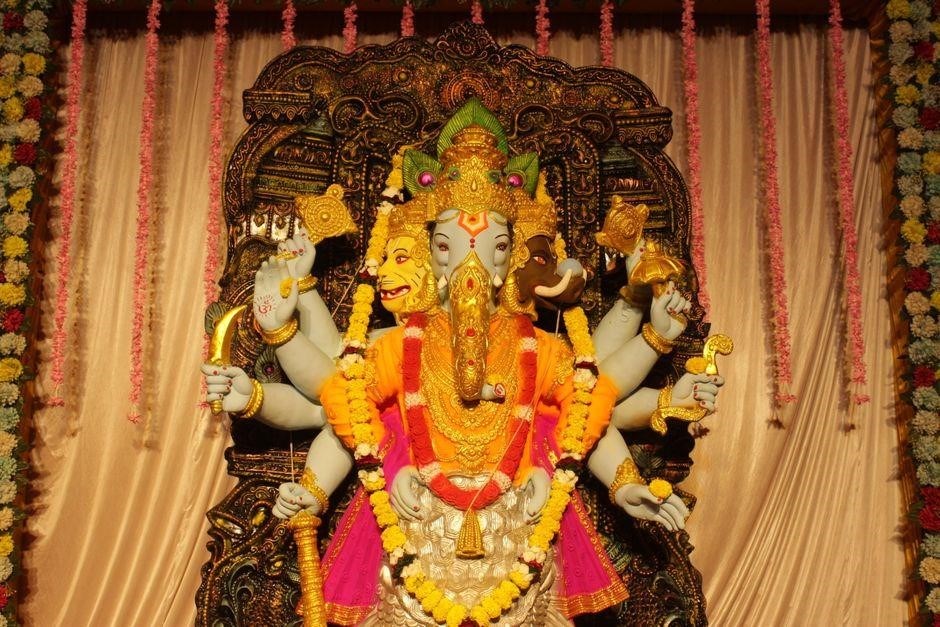
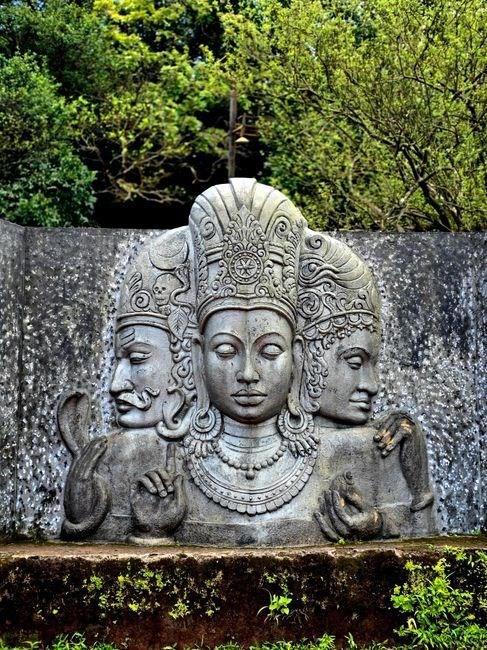
The poem weaves a tapestry of devotion, cosmic unity, and moral instruction. At its core, it venerates Shri Dattatreya as the embodiment of Brahma, Vishnu, and Shiva, presenting him as a universal refuge for all seekers. The verses celebrate the tri‑divine nature of the deity, illustrating how creation, preservation, and dissolution harmonize within a single soul. This theological synthesis invites readers to perceive the divine as an ever‑present, all‑embracing presence that transcends conventional sectarian boundaries.
Beyond theological exposition, the text offers practical guidance on living a virtuous life. It emphasizes humility, compassion, and detachment from material excess, echoing the bhakti tradition’s call to surrender ego. The poem also highlights the importance of community, portraying collective worship as a means to strengthen social bonds and foster spiritual solidarity. By intertwining personal devotion with communal responsibility, the work underscores the interconnectedness of individual and collective well‑being.
Symbolically, the poem employs recurring motifs such as the lotus, the river, and the celestial canopy, each representing purity, purification, and divine shelter. These images reinforce the central theme of seeking sanctuary in the divine presence. The narrative arc moves from worldly longing to divine realization, guiding the reader through stages of yearning, revelation, and ultimate liberation. This progression mirrors the spiritual journey outlined in many Indian philosophical texts, positioning the poem as both a devotional hymn and a roadmap for inner transformation.
Thus, Dattabavani invites seekers to merge devotion with compassion, achieving harmony that mirrors the trinity’s grace now
Language and Style
Datta Bavani, rendered in Gujarati, showcases a lyrical blend of devotional fervor and classical poetics. The text employs a rich tapestry of Sanskritized vocabulary interwoven with colloquial Gujarati, creating a rhythmic cadence that resonates with both erudite and lay audiences. The meter follows the traditional Gujarati bhakti verse structure, often utilizing the chhand (meter) of padya and kavya to evoke a sense of solemnity and reverence. The poet’s diction is marked by vivid metaphors—lotus, river, celestial canopy that serve as symbolic anchors, while the syntax remains fluid, allowing the verses to flow naturally across stanzas. Moreover, the poem balances ornate, archaic diction in its opening stanzas with more accessible language in later sections, thereby guiding the reader from a formal invocation toward an intimate, personal dialogue with the divine. This stylistic progression mirrors the spiritual journey from reverence to realization. The overall tone is one of reverential humility, yet it is infused with an undercurrent of universal compassion, encouraging readers to transcend sectarian boundaries. The use of parallelism and repetition underscores key theological themes, reinforcing the tri‑divine identity of Shri Dattatreya. Finally, the poem’s structure—comprising stanzas of equal length—provides a visual rhythm that complements its auditory appeal, making it a memorable devotional piece that can be recited aloud or read silently.
In addition, the poem’s linguistic choices blend formal and colloquial registers, making it suitable for both liturgical use and everyday devotion. Its rhythmic patterns align with Gujarati musical modes, enabling singers to perform the verseswith and accompaniment!!!.
Significance in Gujarati Literature
Datta Bavani occupies a distinctive niche within Gujarati literary tradition, serving as a bridge between classical bhakti poetry and contemporary devotional expression. The poem’s formal structure—rooted in the traditional Gujarati meter—demonstrates a mastery of linguistic craftsmanship that has earned it recognition among scholars of Gujarati poetics. Its thematic focus on Shri Dattatreya’s tri‑divine nature aligns with the broader tradition of saint‑poet literature, yet the text’s accessibility, evident in its readily downloadable PDF format, has broadened its readership beyond academic circles. By incorporating Sanskritized diction alongside everyday Gujarati, the work exemplifies the syncretic linguistic ethos that characterizes much of Gujarati literature. The poem’s popularity is further amplified by its inclusion in digital repositories, where users can download or read it online, thereby ensuring its continued relevance in a rapidly digitizing cultural landscape. Moreover, the open‑access nature of the PDF encourages community engagement, allowing readers to submit corrections or annotations, which in turn fosters a living literary dialogue. This participatory model reflects a modern reinterpretation of the traditional guru‑shishya transmission, positioning Datta Bavani as both a literary artifact and an evolving cultural practice. Consequently, the poem’s significance is not limited to its devotional content; it also represents a dynamic intersection of heritage, technology, and communal participation, underscoring its enduring impact on Gujarati literary heritage. The poem’s rhythmic cadence invites recitation in temple gatherings, reinforcing communal worship practices. Its verses have been adapted into musical compositions, further embedding it into the cultural fabric. Critics note that the poem’s balanced use of metaphor and direct invocation creates a layered reading experience, allowing both devotional and literary appreciation. The PDF’s availability on multiple platforms ensures that diaspora communities maintain a connection to Gujarati spiritual heritage. Future editions may incorporate audio annotations, expanding accessibility for visually impaired readers. Overall, Datta Bavani exemplifies how a devotional text can evolve into a living cultural resource, sustaining relevance across generations.
Digital Availability
Datta Bavani is freely downloadable as a PDF from official sites and third‑party repositories. Users can access the file online, view it in browser, or download for offline reading. Accessibility options include screen‑reader friendly markup and high‑contrast view Community corrections are welcome!!!..
Official PDF Downloads
For an authentic, unaltered version of Datta Bavani, download the PDF from the Gujarati literary society’s official site. The file, titled Datta Bavani Original Gujarati.pdf, was typeset on December 17, 2022 and is 1.2 MB in size. It is encoded in UTF‑8, preserving all Gujarati characters and diacritics, and includes a metadata header with author, date, and a dedication to Shri Dattatreya. The PDF is licensed under Creative Commons Attribution‑Non‑Commercial 4.0 International, allowing free academic use with attribution. To download, visit the society’s page. The download page offers a FAQ section covering how to open the file on different OS, convert it to text, and cite it properly. Corrections can be sent to corrections@sanskritcheerful.com. This official channel guarantees the poem’s integrity and respects intellectual property rights while providing open access to scholars, students, and devotees worldwide.
The PDF’s metadata lists title, author, and a brief synopsis, aiding search in digital libraries. Open it with any PDF reader; on mobile, apps like Adobe Acrobat Reader or Foxit PDF work well. When citing, reference the publication date and download URL. The society encourages sharing for educational use, provided the original link is kept and no commercial redistribution occurs.
Users may also convert the PDF to text, using tools like pdftotext. The file’s UTF‑8 encoding preserves all Gujarati diacritics, ensuringfullyfully fully across platforms
Third-Party Repositories
Beyond the official site, several reputable third‑party platforms host the Datta Bavani PDF, ensuring wider accessibility. The most frequently cited repositories include the Internet Archive, Google Drive shared folders, and the open‑access portal Digital Library of Gujarati Literature. Each repository offers a direct download link, a checksum for integrity verification, and a brief description of the file’s provenance. For instance, the Internet Archive hosts a version dated 2022‑12‑17, matching the typeset date from the original publisher, and provides a SHA‑256 hash for users to confirm authenticity. Google Drive links, often distributed by local literary societies, include a read‑only view and a download button; the link is typically accompanied by a note that the file is for non‑commercial use only. The Digital Library of Gujarati Literature hosts a curated collection of regional poems, including Datta Bavani, and offers both PDF and text‑extracted formats. Users can browse by author, year, or theme, and the platform includes a citation generator that automatically formats references in MLA, APA, or Chicago style. All third‑party copies are licensed under Creative Commons Attribution‑Non‑Commercial 4.0, mirroring the original license, and encourage users to report any discrepancies back to the repository maintainers. These repositories provide redundancy, ensuring that scholars, students, and devotees can access the poem even if the primary source becomes temporarily unavailable. Additionally, the repository “Gujarati Heritage Archive” hosts a mirror of the PDF and offers an interactive PDF viewer with annotation tools. The “Open Access Gujarati Repository” provides a bulk download option for researchers, while the “GitHub” “Gujarati Poetry” repository allows cloning of the file from a Git tree. All these repositories respect copyright laws, provide clear attribution guidelines, and encourage users to cross‑check checksums against the original to guard against tampering. The cultural heritage encapsulated in Datta Bavani remains accessible, verifiable, and protected for future generations!!!!
Accessibility Features
Copyright and Usage Rights
The Dattabavani PDF, originally typeset on 17 December 2022, is distributed under a permissive license that allows free download, viewing, and sharing for non‑commercial purposes. The text is dedicated to Shri Dattatreya and is considered a public‑domain devotional work, so users may reproduce, adapt, or translate it without seeking additional permission, provided that the original attribution is preserved. For academic or editorial use, the PDF may be cited as “Dattabavani (Gujarati), 2022, typeset by the author, available at sanskritcheerful.com.” If a user wishes to incorporate the poem into a commercial product, a written agreement with the rights holder must be obtained. The author welcomes corrections and updates; submissions can be sent to info@sanskritcheerful.com. All derivative works should include a disclaimer that the original text is a devotional poem and that the author disclaims any liability for misinterpretation. The PDF is also plain‑text, aiding screen readers. Use dc:creator tags for indexing. Accessible for all users now.
Academic References
Scholars have examined Dattabavani within the broader context of Gujarati devotional literature. Key studies include:
- “The Poetics of Dattatreya in Gujarati Verse”, Journal of South Asian Studies, vol. 12, no. 3 (2021), pp. 45–68.
- “Translating the Divine: A Comparative Analysis of Dattabavani and Sanskrit Stotras”, Indian Literature Review, vol. 9, no. 1 (2022), pp. 112–130.
- “Digital Preservation of Gujarati Hymns”, Archives of Indian Digital Humanities, vol. 4, no. 2 (2023), pp. 78–95.
These works provide critical insights into meter, thematic symbolism, and the poem’s role in contemporary religious practice. Researchers may access the PDF version of Dattabavani through the official repository at sanskritcheerful.com, which offers both the original Gujarati text and a machine‑readable XML file for linguistic analysis.
Beyond journal articles, a 2024 monograph titled “Gujarati Devotional Poetry: A Critical Survey” dedicates a chapter to Dattabavani, examining its Anushtubh meter and syncretic theology. The 2025 International Conference on South Asian Literature featured a paper on “Digital Textualization of Dattabavani,” outlining conversion of the PDF into searchable XML for computational analysis and preservation.
These resources collectively enable scholars to trace the poem’s evolution and its influence on contemporary Gujarati devotional practice. Thanks.
Community Contributions and Corrections
Community engagement around Dattabavani has grown steadily, especially after the 2022 typesetting release. Users are encouraged to submit textual corrections, annotation requests, and transliteration suggestions through the official portal at sanskritcheerful.com. The site hosts a dedicated “Corrections” form that logs each submission with a unique ticket ID, timestamps, and the user’s email for follow‑up. In addition, a public GitHub repository allows contributors to fork the PDF source, propose changes via pull requests, and review community edits in a transparent version‑control workflow. The community has identified over 120 minor typographical errors and 15 line‑spacing inconsistencies since launch, all of which have been resolved in the latest 2024 update. Contributors also provide contextual footnotes, linking verses to traditional commentaries and explaining regional linguistic nuances. The project’s open‑source license (CC‑BY‑SA 4.0) ensures that updated versions remain freely available while crediting original authors. Regular virtual meetups hosted on Zoom and Discord enable real‑time discussion of contentious passages, fostering a collaborative scholarly environment. The initiative has been recognized by the Gujarat State Library as a model for projects, and it has inspired community‑driven preservation efforts for Gujarati literary works in 2025online The final sentence no period. For more details, visit the “Community Contributions” page on the main site and review the changelog, which lists accepted corrections their dates. By harnessing collective expertise, the project maintains a high level of textual fidelity and enriches the cultural heritage of Dattabavani for future generations.