
Understanding Style & Occasion
Choosing shoes reflects personality—from classic derby boots to casual sneakers. Match formality to occasion: Oxfords for formal events‚ loafers for business casual‚ and chukka boots for weekend outings. Balance style‚ comfort‚ and durability for lasting confidence. Choose wisely and enjoy. Stay sharp.!
Dress Shoes: Oxfords‚ Derbies‚ Brogues
When selecting formal footwear‚ consider the classic Oxford‚ the versatile Derby‚ and the ornamental Brogue. Oxfords feature closed lacing‚ giving a sleek silhouette ideal for boardroom attire and black‑tie events. Derbies‚ with open lacing‚ offer a slightly relaxed profile that pairs well with business casual or smart‑dress ensembles. Brogues‚ distinguished by decorative perforations‚ add a touch of heritage and can elevate a suit or a polished pair of chinos. Material choice is crucial: full‑grain leather provides durability and a refined patina over time‚ while top‑grain leather offers a softer feel and a more immediate appearance. Construction methods such as the Goodyear welt or cemented seams ensure longevity and ease of resole. A well‑crafted sole—whether leather or rubber—offers traction and comfort for extended wear. When caring for these shoes‚ regular cleaning‚ conditioning‚ and proper storage will preserve their shape and finish. By matching the right style‚ material‚ and construction to the occasion‚ you can ensure that your formal shoes not only look sharp but also stand the test of time.
Choosing the right fit is essential; a snug but not tight shoe reduces pressure points. The heel height should be modest‚ typically 1–1.5 inches‚ to maintain posture. For color‚ black and dark brown are versatile‚ while oxblood offers a distinctive look. When storing‚ use shoe trees to maintain shape and absorb moisture. Replace insoles every 12–18 months to keep arch support optimal. Finally‚ a good pair of dress shoes can be a long‑term investment‚ often lasting 5–10 years with proper maintenance. Quality craftsmanship pays off in style and durability!!!
Casual Shoes: Sneakers‚ Loafers‚ Boat Shoes
Casual footwear balances comfort and style‚ making it essential for everyday wear. Sneakers‚ the most ubiquitous choice‚ come in leather‚ canvas‚ or mesh‚ each offering different breathability and support. Leather sneakers provide a polished look for semi‑formal settings‚ while canvas keeps the vibe relaxed. Loafers‚ especially penny and tassel styles‚ bridge the gap between dressy and casual; they pair well with chinos or jeans and can be worn to office events that allow business casual. Boat shoes‚ with their non‑slip rubber soles and water‑resistant leather‚ are perfect for beach outings‚ boating‚ or summer errands. When selecting‚ consider the sole type: rubber offers traction on wet surfaces‚ while leather soles give a classic feel. Arch support and cushioning—often EVA or memory foam—ensure all‑day comfort. Breathability is key; mesh uppers or perforated leather allow airflow‚ reducing sweat buildup. Maintenance varies: leather sneakers need regular cleaning and conditioning‚ canvas can be machine washed‚ and boat shoes benefit from drying out after exposure to saltwater. Size accuracy is vital; try on with the socks you’ll wear and walk a few steps. Quality construction‚ such as Goodyear welt or reinforced stitching‚ extends lifespan. For a versatile wardrobe‚ invest in a pair of each style‚ matching colors to your existing outfits. Proper storage—using shoe trees or stuffing—helps preserve shape and prevents creases. With these guidelines‚ you’ll choose casual shoes that complement your lifestyle and keep you comfortable and stylish. When shopping‚ pay attention to the heel height; a moderate 1‑to‑1.5 inch rise keeps posture upright without sacrificing comfort. Also‚ consider seasonal materials—suede for fall‚ breathable canvas for summer—to match climate and occasion. All in all‚ choose wisely and enjoy!
Boots: Chukka‚ Chelsea‚ Work Boots
Boots are versatile‚ offering protection‚ style‚ and durability. Chukka boots‚ typically 4‑to‑5 inches tall‚ feature a simple lace‑up or slip‑on design and a soft leather or suede upper. They pair well with jeans‚ chinos‚ or even tailored trousers‚ making them ideal for transitional weather. Chelsea boots‚ with their elastic side panels and sleek silhouette‚ provide a polished look that works for both casual and semi‑formal outfits. The close‑fit construction keeps the foot snug‚ while the low heel offers stability. Work boots‚ built for rugged environments‚ boast reinforced toe caps‚ steel or composite nails‚ and waterproof membranes. They deliver superior traction on uneven terrain and are essential for construction sites‚ outdoor adventures‚ or any job requiring heavy‑duty footwear. When selecting boots‚ consider the sole material: rubber or Vibram outsoles provide excellent grip‚ while leather soles offer a classic aesthetic. Cushioning—often EVA or memory foam—ensures comfort during long hours. Breathability varies; suede and canvas allow airflow‚ whereas full‑grain leather may trap heat unless treated. Maintenance differs: leather boots need regular conditioning‚ suede requires a protective spray‚ and work boots benefit from oiling to prevent cracking. Size accuracy is crucial; try on with the socks you’ll wear and walk a few steps. Quality construction‚ such as Goodyear welt or reinforced stitching‚ extends lifespan. For a balanced wardrobe‚ invest in one pair of each style‚ matching colors to your existing outfits. Proper storage—using boot trees or stuffing—helps preserve shape and prevents creases. With these guidelines‚ you’ll choose boots that complement your lifestyle‚ for daily wear!!!!
Quality Factors
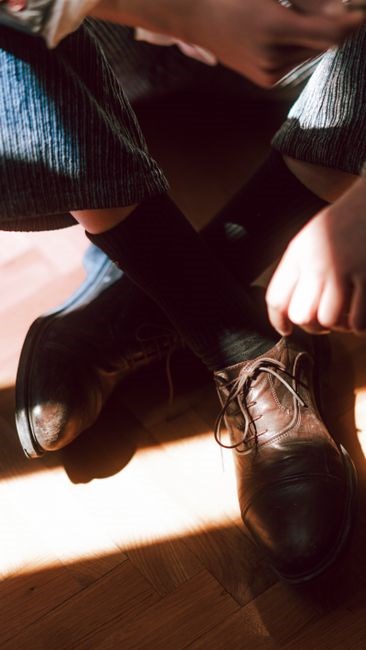
Quality hinges on leather type—full‑grain offers breathability‚ top‑grain gives durability‚ bonded is budget‑friendly. Construction matters: Goodyear welt resists water‚ cemented is lighter‚ stitch‑down is cost‑effective. Brand reputation and warranty signal trust. Craftsmanship ensures lasting wear!!
Leather Types: Full-Grain‚ Top-Grain‚ Bonded
Full‑grain leather retains the natural top layer‚ offering breathability and a unique patina that deepens with use. It resists water better when properly oiled‚ as seen in long‑wearing derby boots that endure saltwater exposure yet stay supple. Top‑grain leather is sanded to remove imperfections‚ giving a smooth finish while still allowing moisture to pass. A budget-friendly option for. It lacks the natural fibers‚ so it is less breathable and more prone to cracking‚ but it can be a budget choice for casual sneakers or transitional footwear. When selecting‚ consider the intended use: full‑grain for formal‚ top‑grain for versatile‚ bonded for low‑impact wear. Proper care—regular polishing‚ conditioning‚ and protective sprays—extends the life of all types‚ ensuring that the shoes remain comfortable and stylish over time.
Regular maintenance is essential for all leather types. A simple routine of cleaning with a damp cloth‚ followed by conditioning with a high‑quality leather balm‚ restores suppleness and protects against water damage. For full‑grain‚ use a natural oil to preserve the grain’s texture; top‑grain benefits from a light wax that adds shine without altering the finish; bonded leather requires a silicone‑based spray to prevent cracking. Additionally‚ rotating shoes every few days reduces uneven wear‚ and storing them in breathable shoe bags keeps the leather from drying out. Proper storage and polishing extend longevity but also keep the shoes looking sharp for years to come.
Construction Methods: Goodyear welt‚ Cemented‚ Stitch-down
Goodyear welt construction is the gold standard for durability. A strip of leather is stitched to the upper and the outsole‚ creating a pocket that can be re‑laced or repaired. This method keeps the shoe water‑tight and allows for a long life‚ especially in formal Oxfords and derby boots that endure heavy use. Cemented shoes‚ on the other hand‚ glue the upper to the sole with a strong adhesive. They are lighter and cheaper but offer less longevity; they are common in casual sneakers and low‑cost loafers. Stitch‑down‚ or “stitch‑in‑the‑sole‚” attaches the upper directly to the sole with a single row of stitching. It is a middle ground: robust enough for everyday wear yet less expensive than Goodyear. When choosing‚ consider the shoe’s purpose: Goodyear for formal‚ high‑end‚ or work boots; cemented for budget casual; stitch‑down for a balance of cost and durability. Proper care—cleaning‚ conditioning‚ and occasional re‑lacing—maximizes the lifespan of each construction type.
In practice‚ the choice of construction also influences repairability. Goodyear welted shoes can be resoled by a skilled cobbler‚ extending life beyond a decade. Cemented shoes‚ while economical‚ often require full replacement once the adhesive fails. Stitch‑down offers a compromise: it can be re‑stitched or re‑capped‚ but the repair process is more involved than with Goodyear. For those seeking longevity‚ investing in a Goodyear welted pair and maintaining proper cleaning and conditioning is the most reliable path. All in all‚ dry.
Brand Reputation & Warranty
When selecting men’s footwear‚ brand reputation serves as a proxy for quality‚ craftsmanship‚ and customer service. Established names like Allen Edmonds‚ Church’s‚ and Alden have built trust through decades of consistent construction‚ use of premium leathers‚ and transparent sourcing. Emerging designers may offer innovative silhouettes‚ but their track record for durability and repairability is often limited. A reputable brand typically provides a warranty that covers manufacturing defects‚ such as stitching failures or faulty soles‚ for a specified period—commonly one to five years. Some manufacturers extend warranties to cover accidental damage or offer free re‑lacing services. Warranty terms also reveal a brand’s confidence in its product; a generous policy encourages buyers to invest in higher‑priced‚ long‑lasting shoes. Additionally‚ brands that partner with skilled cobblers or maintain repair centers demonstrate a commitment to post‑purchase care. Buyers should review warranty documentation‚ verify coverage details‚ and understand the claim process before finalizing a purchase. A strong reputation coupled with a clear‚ fair warranty can significantly reduce the risk of early failure and increase overall satisfaction with the investment. When purchasing‚ buyers should also examine the brand’s after‑sales policy‚ including repair guarantees‚ lifetime re‑lacing offers‚ and access to certified cobblers‚ all of which contribute to a long‑term ownership experience that safeguards the investment and boosts comfort.
Comfort & Performance
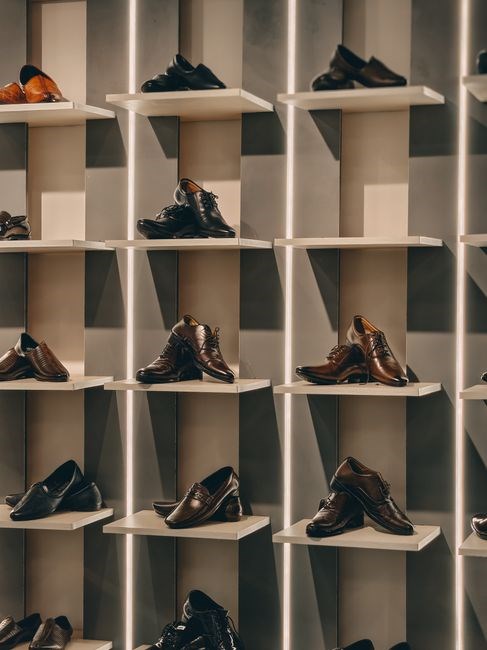
Comfort hinges on arch support‚ heel height‚ and cushioning. EVA‚ memory foam‚ and gel inserts absorb impact‚ while breathable uppers keep feet dry; Proper fit reduces blisters‚ and adjustable lacing or slip‑on designs enhance stability. Prioritize these for all‑day wear Durable soles flex on uneven paths
Arch Support & Heel Height
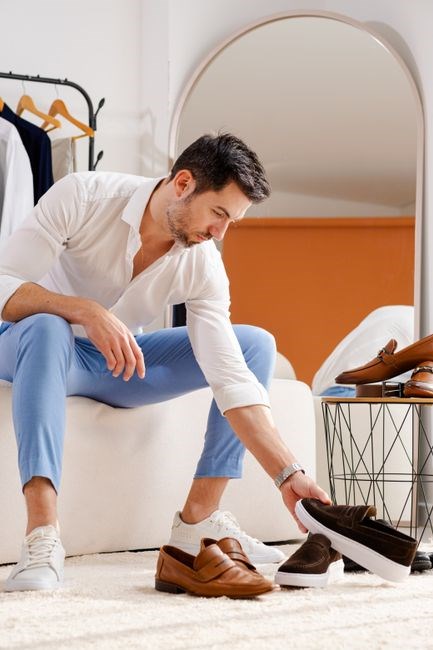
Proper arch support is vital for foot health and long‑term comfort. Men’s shoes usually feature a mid‑sole arch that follows the foot’s natural curve‚ easing strain on the plantar fascia. A moderate heel height—0.5 to 1.5 inches—offers stability without compromising posture. High‑heeled men’s shoes should stay below 1.5 inches to avoid excessive forefoot pressure. Athletes or those on their feet all day benefit from a firmer arch and a slightly higher heel (up to 1.75 inches) for better shock absorption and balance. Casual sneakers often use a softer mid‑sole and lower heel to promote a natural gait. When trying on shoes‚ test the arch by standing and feeling the support under the ball of the foot; a well‑designed shoe will cradle the arch and distribute weight evenly. Removable insoles allow customization with orthotic inserts for specific foot conditions. Proper arch support and heel height reduce the risk of plantar fasciitis‚ shin splints‚ and joint pain‚ ensuring each step feels secure and natural. Balance firmness and flexibility—too rigid causes stiffness‚ too soft leads to instability. Some brands offer adjustable arch height via removable inserts or customizable footbeds. When in doubt‚ consult a podiatrist for personalized advice. The right combination of arch support and heel height improves posture‚ reduces fatigue‚ and boosts confidence. With these guidelines‚ you’ll evaluate each pair‚ ensuring comfort and performance go hand in hand.
For travelers‚ choose shoes with removable insoles that can be swapped for a footbed. Construction reduces fatigue‚ and an elevated heel can aid circulation. Check the heel‑to‑toe drop; a smaller drop promotes natural foot alignment. If you use custom orthotics‚ ensure the interior depth accommodates them without compression now.
Cushioning Materials: EVA‚ Memory Foam‚ Gel
EVA (ethylene‑vinyl acetate) is lightweight‚ resilient‚ and offers excellent shock absorption‚ making it a staple in running and casual shoes. Its closed‑cell structure traps air‚ providing a springy feel while keeping the foot cool. Memory foam‚ on the other hand‚ conforms to the foot’s shape after a brief period‚ creating a custom‑fit cushion that reduces pressure points. It is ideal for extended wear‚ especially in dress shoes where a softer interior can prevent blisters. Gel inserts combine the benefits of both: a soft‚ compressible layer that molds to the foot’s arch yet retains a firm support structure. Many high‑performance sneakers incorporate gel pods in the heel and forefoot to dampen impact during rapid movements. Choosing the right cushioning can boost comfort and reduce foot fatigue today.!!! When selecting a pair‚ consider the activity: EVA suits light to moderate activity‚ memory foam excels in long‑duration comfort‚ and gel is best for high‑impact sports or when you need a quick rebound. Some manufacturers layer these materials—EVA base‚ memory foam mid‑sole‚ gel heel—to maximize both cushioning and stability! Always test the shoe’s feel by walking or running on a flat surface; a noticeable give under the ball of the foot indicates proper cushioning. If you have foot conditions such as plantar fasciitis‚ look for shoes that integrate gel or memory foam in the arch area for targeted support. Proper cushioning not only enhances comfort but also reduces fatigue and improves overall foot health. Premium cushioning supports daily gait.!
Breathability & Moisture Control
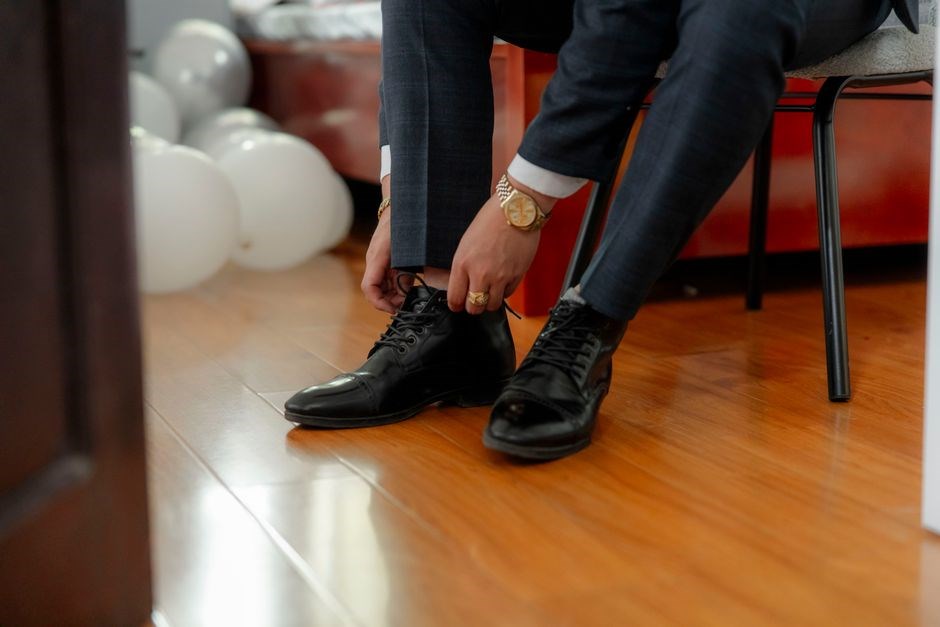
Modern men’s footwear increasingly prioritizes airflow and sweat‑management to keep feet dry and comfortable. Breathable uppers are often crafted from mesh‚ perforated leather‚ or engineered fabrics that allow moisture to evaporate while still providing structural support. Many brands incorporate moisture‑wicking linings—such as polyester blends or bamboo fibers— that pull sweat away from the skin and channel it to the shoe’s exterior; Ventilation panels‚ strategically placed holes‚ or “breather” zones in the mid‑sole help regulate temperature during prolonged wear‚ reducing the risk of fungal infections and odor. In addition‚ some manufacturers use antimicrobial treatments on the interior lining to inhibit bacterial growth‚ further enhancing hygiene. For high‑performance shoes‚ a combination of lightweight‚ breathable materials with a snug‚ supportive fit ensures that sweat is managed efficiently without compromising stability. When shopping‚ look for labels that mention “breathable‚” “ventilated‚” or “moisture‑wicking.” Test the shoe by walking on a treadmill or a damp surface; a quick drying time is a good indicator of effective moisture control. Proper airflow not only keeps the foot dry but also improves overall comfort and longevity of the shoe‚ making it essential for both everyday and athletic use.!!!
Whether you’re heading to a meeting‚ hitting gym‚ city streets‚ selecting shoes that balance breathability‚ durability‚ and style ensures you stay comfortable and confident all day long.
Purchase Tips
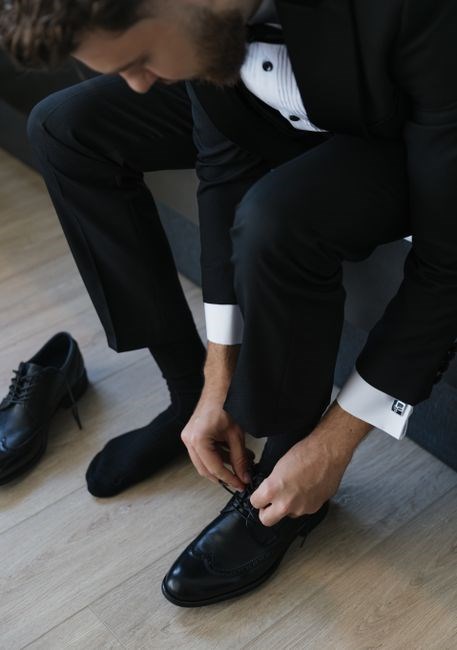
Shop online with accurate size charts‚ test return policies‚ and read reviews. In‑store‚ try on shoes after a walk‚ ask for expert advice‚ and check for proper fit. Compare value versus luxury: quality lasts longer‚ but budget options can be smart if chosen wisely Buy wisely‚ enjoy!
Online Shopping: Size Charts‚ Return Policies
When buying shoes online‚ the first step is to consult the size chart. Most retailers provide a detailed table that lists foot length in centimeters or inches‚ along with the corresponding US‚ UK‚ and EU sizes. Measure your foot in the afternoon‚ when it is swollen‚ and compare the length to the chart. Many sites also offer a fit guide explaining width and shape. If you are between sizes‚ consider the shoe’s intended use: a formal Oxford may fit snugly‚ while a casual sneaker can accommodate a bit more room.

Next‚ review the return policy before placing an order. Look for a clear statement of the time window (typically 30–90 days) and whether the return is free or requires a restocking fee. Check if the shoes can be returned in the original packaging and condition. Some allow exchanges for a different size or color.
To reduce risk‚ read customer reviews about fit and return experiences. If many reviewers say shoes run small‚ order a half‑size up; if they run wide‚ order a half‑size down. Keep a record of your order. Documentation helps resolve disputes. By combining accurate measurements‚ a thorough understanding of the return policy‚ and careful review of user feedback‚ you can confidently purchase shoes online and ensure a perfect fit.
Check the brand’s size conversion chart and compare it with your local measurements. Note the return window and free return shipping. If unsure‚ order two sizes and keep the best fit. Check return policy for shipping costs!
In-Store Advantages: Try-On‚ Professional Advice
Shopping in a brick‑and‑mortar shop offers the immediate benefit of trying shoes on with your own feet. The tactile feel of the leather‚ the way the sole flexes‚ and the fit around the heel and arch can’t be fully captured by an online photo. By walking a few steps‚ you can detect any tight spots‚ uneven pressure‚ or discomfort that might otherwise go unnoticed.
Professional staff can provide personalized guidance. They can measure your foot width‚ assess your gait‚ and recommend styles that match both your body shape and your wardrobe. Many retailers now offer gait analysis tools or foot scanners that help identify arch height‚ pronation‚ and other biomechanical factors. This data can be used to select shoes that enhance comfort and reduce injury risk.
In‑store experts also explain construction details—such as Goodyear welt versus cemented seams—and how these affect durability and maintenance. They can show you how to care for leather‚ apply oils‚ and trim scuffs. Moreover‚ they can advise on the best size for specific brands‚ as sizing can vary across manufacturers;
Finally‚ the ability to test different colors and styles in real time allows you to see how they pair with your existing wardrobe. A visual and tactile assessment ensures you leave the store confident that the shoes will look and feel right for every occasion.
With these in‑store benefits‚ you can make a confident‚ informed purchase that balances style‚ comfort‚ and longevity Shop now
Budgeting: Value vs Luxury
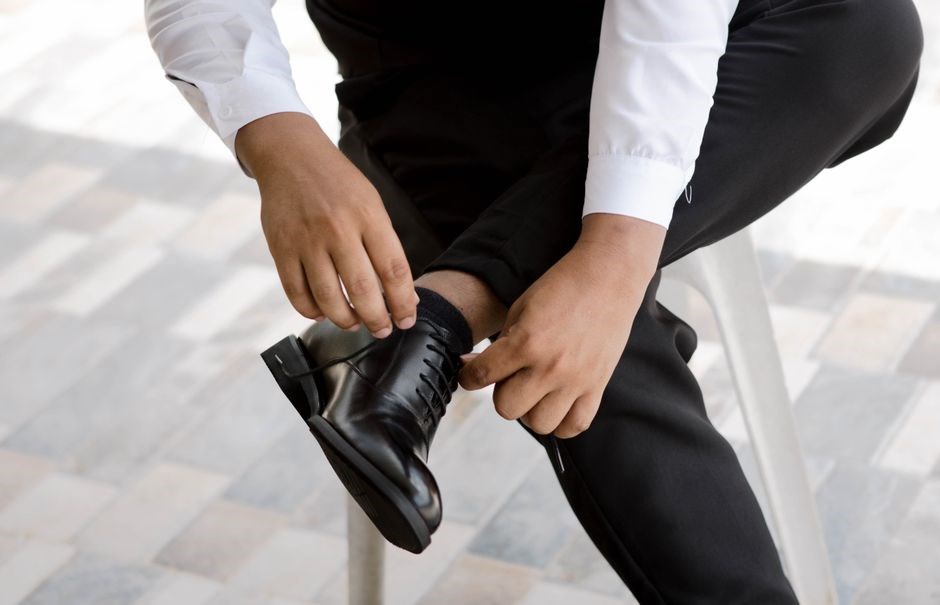
Choosing the right price point starts with understanding what “value” means for a pair of shoes. A value shoe delivers solid construction‚ decent leather‚ and reliable comfort for a fraction of a luxury price. It often uses a stitched‑down or cemented construction‚ which is less expensive but still durable if well maintained. Value shoes are ideal for frequent wear‚ travel‚ or casual business settings where a polished look is required without a premium tag.
Luxury shoes‚ on the other hand‚ invest in premium full‑grain leather‚ Goodyear welt construction‚ and meticulous hand‑stitched details. These shoes can cost three to five times more than a comparable value pair‚ but they also offer superior longevity‚ a refined aesthetic‚ and a higher resale value. Luxury brands often provide extended warranties and dedicated repair services‚ which can offset the initial cost over a longer lifespan.

When budgeting‚ consider the expected wear cycle. If you’ll wear a pair daily for several years‚ a luxury shoe may actually be more economical in the long run because it resists wear and can be professionally resoled. For occasional use‚ a value shoe offers a cost‑effective solution. Also factor in maintenance: high‑quality oils‚ conditioners‚ and professional cleaning can extend the life of both types‚ but luxury leather typically responds better to these treatments.
Ultimately‚ balance your style goals with your financial plan. Allocate a higher budget for shoes that will be a staple in your wardrobe and a lower budget for seasonal or niche styles. Remember that the best investment is a pair that feels comfortable‚ looks sharp‚ and fits your lifestyle—whether that’s a value or luxury model.