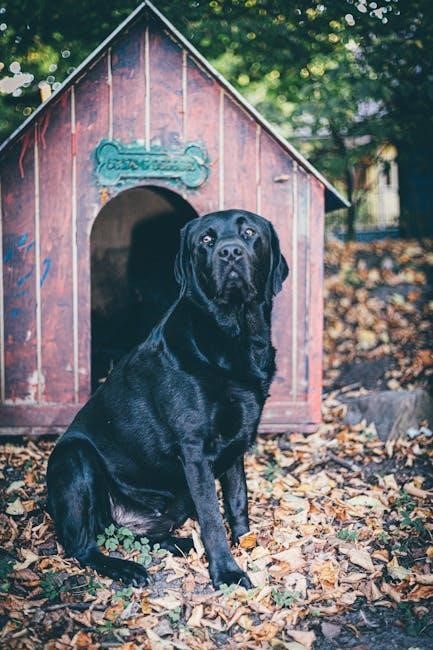
Dog house plans, often found as PDF blueprints, offer a rewarding DIY project․ They provide detailed instructions for constructing a safe, comfortable shelter for your canine companion․
Why a Dog House? Benefits for Your Pet
Providing a dedicated dog house, built from blueprint dog house plans PDF, offers numerous benefits beyond simple shelter․ It establishes a secure den – a crucial psychological need for dogs, offering a retreat from environmental stressors and family activity․ This personal space reduces anxiety and promotes restful sleep․
A dog house protects your pet from harsh weather conditions like extreme heat, cold, rain, and wind, preventing health issues․ It also offers independence, allowing your dog a space that is entirely their own․ Utilizing detailed plans ensures a properly sized and insulated structure, maximizing comfort and well-being for your furry friend․
Understanding Basic Dog House Requirements
When reviewing blueprint dog house plans PDF, several fundamental requirements must be considered․ First, size is paramount – the house should allow your dog to stand, turn around, and lie down comfortably, but not be excessively large, hindering heat retention․
Secondly, weather protection is vital․ Plans should detail appropriate insulation for your climate, alongside a waterproof roof and elevated floor to prevent dampness․ Proper ventilation is also key, preventing condensation and ensuring fresh airflow․ Finally, a strategically placed entrance, shielded from prevailing winds, completes the basic requirements for a functional and comfortable dog house․
Planning Your Dog House: Key Considerations
Carefully examine blueprint dog house plans PDF, factoring in your dog’s size, local climate, and preferred materials for a successful build․
Dog Size and House Dimensions
When reviewing blueprint dog house plans PDF, accurately measuring your dog is paramount․ The house should allow them to comfortably stand, turn around, and lie down without feeling cramped․
Consider height at the shoulder, length from nose to tail base, and width․ Add several inches to each measurement for comfortable movement․ A too-small house causes stress, while a too-large one loses heat quickly․
Plans often categorize sizes (small, medium, large) based on typical breed weights․ Always prioritize your dog’s individual measurements over breed generalizations․ Proper dimensions ensure a cozy and secure haven․
Climate and Insulation Needs
Blueprint dog house plans PDF should be selected with your local climate in mind․ Harsh winters necessitate robust insulation to retain heat and protect against freezing temperatures․ Consider materials like rigid foam insulation or fiberglass batting within the walls and roof․
In warmer climates, ventilation is key to prevent overheating․ Plans may include vents or elevated floors for airflow․
Even moderate climates benefit from some insulation to regulate temperature fluctuations․ Proper insulation reduces energy costs if you choose to heat or cool the dog house, ensuring year-round comfort for your pet․
Material Selection: Wood, Plastic, or Metal?
Blueprint dog house plans PDF often specify material options․ Wood is a popular choice, offering natural insulation and a classic aesthetic, but requires weatherproofing․ Pressure-treated lumber resists rot and insects․
Plastic dog houses are lightweight, easy to clean, and durable, though they may not provide as much insulation․ Metal structures are strong but can become extremely hot or cold, needing insulation․
Consider your budget, climate, and DIY skill level when selecting materials․ The plans should detail the quantity and dimensions needed for your chosen option․
Essential Dog House Design Elements
Blueprint dog house plans PDF highlight crucial features: a well-placed entrance, proper ventilation, and a sturdy roof for weather protection and comfort․
Roof Design: Sloped vs․ Flat
Blueprint dog house plans PDF commonly present two primary roof designs: sloped and flat․ Sloped roofs excel at shedding water and snow, preventing accumulation that could lead to leaks and structural damage – a vital consideration in wetter climates․ They also often allow for attic space, potentially utilized for added insulation․
Conversely, flat roofs are simpler to construct and offer a potential surface for lounging, though they require robust waterproofing to avoid issues․ The plans will detail the necessary angles and materials for either choice․ Carefully review the PDF to understand the implications of each design based on your local weather conditions and construction skill level․
Entrance Size and Placement
Blueprint dog house plans PDF meticulously detail entrance dimensions and positioning, crucial for both comfort and weather protection․ The opening should be large enough for your dog to enter and exit easily, but not so large that it compromises insulation․ Plans often suggest a height slightly shorter than the dog’s shoulder height․
Placement is also key; avoid direct exposure to prevailing winds and harsh sunlight․ Many plans recommend offsetting the entrance to one side, creating a sheltered area inside․ Consider adding a flexible door flap for enhanced weatherproofing, as indicated within the PDF’s material list and instructions․
Ventilation and Airflow
Blueprint dog house plans PDF emphasize the importance of ventilation to prevent moisture buildup and maintain a comfortable temperature․ Proper airflow minimizes condensation, reducing the risk of mold and mildew․ Plans frequently incorporate small, strategically placed vents near the roofline, allowing warm air to escape․
These vents should be screened to prevent insect entry․ Some designs include adjustable vents for seasonal control․ Adequate ventilation is especially critical in warmer climates, preventing overheating․ The PDF will illustrate vent placement and size, ensuring optimal airflow without creating drafts for your pet․
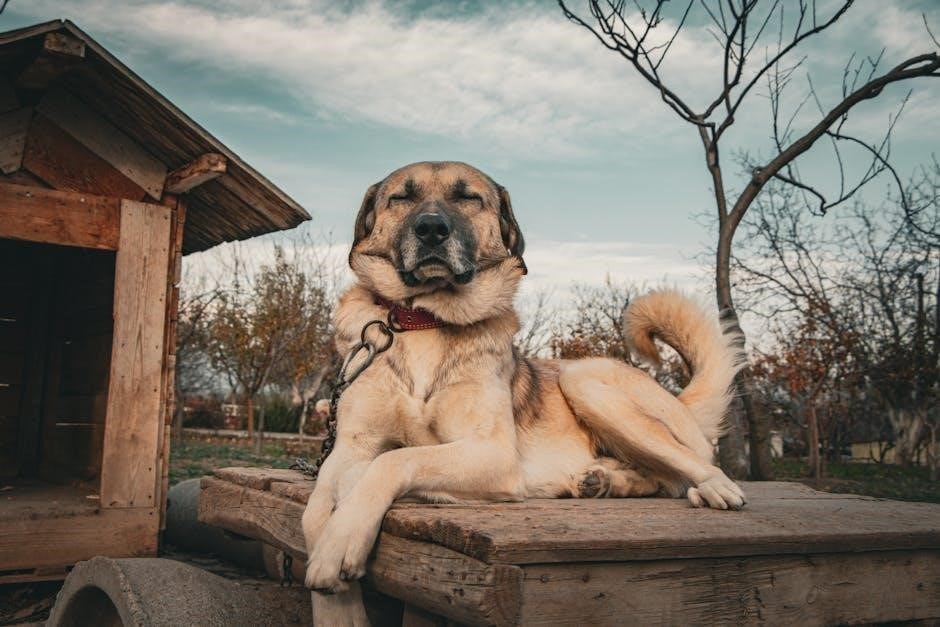
Blueprint Breakdown: Essential Components
PDF blueprint dog house plans detail the foundation, walls, and roof framing․ These plans provide precise measurements and material lists for a structurally sound build․
Foundation and Base Construction
Dog house plans PDF blueprints typically begin with foundation details․ A solid base is crucial for longevity and protection from the elements․ Common foundations include gravel beds, concrete slabs, or a wooden frame elevated off the ground․
The base framing, often constructed from pressure-treated lumber, provides a level surface for the walls․ Plans will specify joist spacing and dimensions to support the dog house’s weight․ Proper base construction prevents rot and keeps the interior dry․ Ensuring the base is square and level is paramount for a stable structure․ Detailed diagrams within the PDF illustrate proper fastening techniques and material requirements․
Wall Framing and Structure
Dog house plans PDF blueprints detail wall framing, usually employing 2×4 lumber for adequate strength․ Stud spacing, typically 16 or 24 inches on center, is clearly indicated․ The plans will show how to frame openings for the door and any windows․
Corner posts are vital for structural integrity, often reinforced for stability․ Bracing may be included to resist racking forces․ The PDF will specify the height of the walls and how to securely attach them to the base․ Accurate cutting and assembly, following the blueprint’s dimensions, are essential for a square and robust dog house structure․
Roof Framing and Covering
Dog house plans PDF blueprints illustrate roof framing, often utilizing 2x4s or 2x6s depending on the span and desired snow load capacity․ Rafter angles and overhang lengths are precisely specified․ The plans detail how to securely attach the rafters to the wall framing, ensuring a stable roof structure․
Covering options, like plywood sheathing, are outlined, followed by roofing materials – asphalt shingles, metal, or rolled roofing․ The PDF will show proper overlap and fastening techniques to prevent leaks․ A slight roof pitch is recommended for water runoff, and the plans will guide you through achieving this angle․
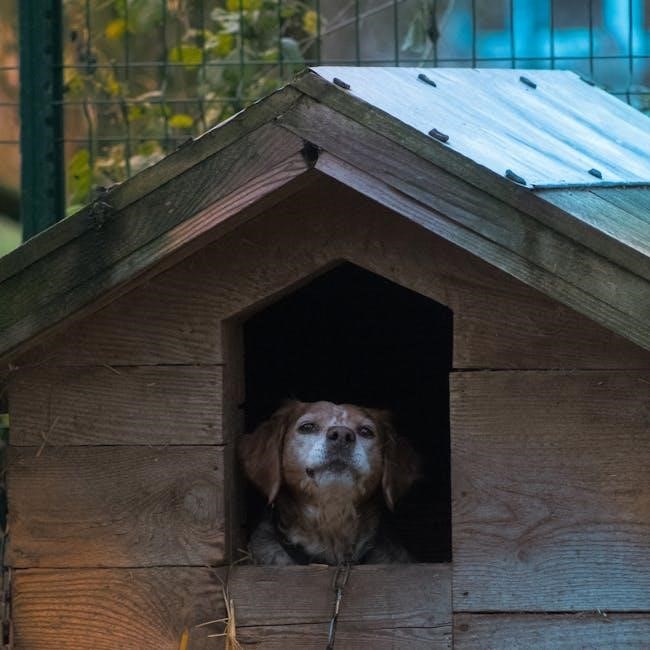
Step-by-Step Construction Guide (Based on PDF Plans)
PDF blueprints guide construction, starting with precise wood cutting lists․ Assembly follows, referencing diagrams for wall and roof connections, ensuring a sturdy structure․
Cutting the Wood According to the Plan
Precisely following the cutting list within your PDF blueprint is paramount․ Most plans detail each piece needed – walls, roof, floor – with specific dimensions․ Utilize a circular saw or hand saw, ensuring accurate cuts for a snug fit․
Double-check measurements before each cut to minimize waste and errors․ Label each piece as you cut it, corresponding to the blueprint’s identifiers․ This prevents confusion during assembly․ Consider safety glasses and ear protection during the cutting process․ A sharp blade yields cleaner cuts and reduces strain․ Remember, accurate cuts are the foundation of a structurally sound dog house!
Assembling the Walls
With the wood cut according to your PDF blueprint, begin assembling the walls․ Typically, this involves joining the side, front, and back pieces using nails or screws․ Ensure square corners using a carpenter’s square – this is crucial for stability․
Pre-drilling holes can prevent wood splitting, especially with hardwoods․ Refer to the plan for specific fastening instructions; some designs utilize overlapping joints for added strength․ Once the frame is assembled, attach any sheathing or siding as indicated in the blueprint․ Regularly check for squareness throughout the process, adjusting as needed․
Attaching the Roof
Following your PDF blueprint’s instructions, carefully position the roof frame onto the assembled walls․ Ensure a proper overhang to protect the entrance from rain and sun․ Secure the roof frame using nails or screws, again pre-drilling to avoid splitting․
Next, apply the roofing material – shingles, metal, or rolled roofing – overlapping each layer correctly to prevent leaks․ Pay close attention to sealing around any vents or chimneys․ A well-attached, watertight roof is vital for your dog’s comfort and protection from the elements, as detailed in the plans․
Advanced Features & Customization
PDF blueprints can inspire adding features like porches, insulation, or unique paint schemes․ Personalize the dog house for comfort and aesthetic appeal!
Insulation Techniques for Cold Climates
Detailed PDF blueprints often suggest insulation methods crucial for winter comfort․ Consider rigid foam insulation boards between the framing and exterior walls – a highly effective barrier against cold․ Alternatively, fiberglass or mineral wool batts can be used, ensuring they remain dry to maintain their R-value․
For the roof, prioritize insulation to prevent heat loss․ A layer of reflective foil-faced insulation can bounce radiant heat back inside․ Remember to seal all gaps and cracks to prevent drafts, and elevate the dog house slightly off the ground to minimize heat transfer from the cold earth․ Proper ventilation remains vital even with insulation, preventing moisture buildup․
Adding a Porch or Overhang
Many advanced PDF blueprints incorporate a porch or overhang, significantly enhancing the dog house’s functionality․ A covered porch provides a sheltered area for your dog to relax, observe surroundings, and escape direct sunlight or rain․ An overhang extending beyond the entrance door offers similar protection, minimizing moisture entering the interior․
Construction typically involves extending the roofline and adding supporting posts․ Ensure the porch floor is slightly sloped for drainage․ Consider adding a low railing for added safety and a more defined space․ These additions, detailed in comprehensive plans, improve comfort and weather resistance․
Painting and Weatherproofing
Detailed PDF blueprints often include guidance on painting and weatherproofing, crucial for longevity․ Exterior-grade paint protects wood from moisture, UV damage, and rot․ Choose non-toxic paints specifically formulated for outdoor use and safe for animals․ Multiple coats are recommended for optimal protection․
Weatherproofing extends beyond paint․ Sealing seams and joints with caulk prevents water intrusion․ Consider applying a wood preservative before painting․ For plastic or metal houses, specialized coatings enhance durability․ Proper preparation and application, as outlined in the plans, ensure a long-lasting, comfortable shelter․
Finding and Utilizing PDF Plans
Numerous websites offer downloadable dog house plans in PDF format, ranging from simple designs to elaborate constructions, catering to various skill levels․
Where to Find Free Dog House Plans PDF
Locating free dog house plans in PDF format is surprisingly accessible online․ Several websites specialize in DIY projects and offer a selection of blueprints for various dog house styles․ Websites like DIYPet․com and Instructables frequently host user-submitted plans, often with accompanying photos and build guides․
Pinterest is also a valuable resource; searching “free dog house plans PDF” yields numerous results linking to downloadable files․ Remember to carefully review any free plan before starting construction, ensuring it’s structurally sound and suits your dog’s size and your skill level․ Always prioritize safety and build quality, even with free resources!
Paid vs․ Free Plans: What’s the Difference?
While free dog house plans (often PDF downloads) are readily available, paid plans generally offer a higher level of detail and support․ Paid blueprints frequently include more precise measurements, detailed cutting lists, and step-by-step instructions with clearer diagrams․ They may also incorporate advanced features like insulation guides or customization options․
Furthermore, paid plans often come with customer support, allowing you to ask questions and receive assistance during the build process․ Free plans can vary significantly in quality and may lack crucial information․ Investing in a paid plan can save time, reduce errors, and ultimately result in a more durable and comfortable dog house․
Reading and Interpreting Dog House Blueprints
Dog house blueprints, typically in PDF format, utilize standard architectural conventions․ Understanding these is crucial for successful construction․ Key elements include plan views (top-down), elevations (side views), and sections (cut-through views)․ Dimensions are usually indicated in feet and inches, and a legend explains symbols used for materials and construction techniques․
Pay close attention to the scale of the drawings to ensure accurate measurements․ Cutting lists detail the size and quantity of lumber needed․ Familiarize yourself with terms like “joist,” “rafter,” and “stud․” Carefully review all pages before starting, and don’t hesitate to seek clarification if anything is unclear․
Safety Considerations During Construction
Prioritize safety when building from PDF blueprints! Wear safety glasses, gloves, and appropriate footwear․ Understand tool manuals and work cautiously to prevent injuries․
Tool Safety and Proper Usage
Successfully executing dog house plans from PDF blueprints demands strict adherence to tool safety protocols․ Always read and understand the owner’s manual for each tool before operation, familiarizing yourself with its specific hazards and safeguards․ Wear appropriate personal protective equipment (PPE), including safety glasses to shield your eyes from flying debris, work gloves to protect your hands, and hearing protection when using loud power tools․
Ensure your work area is well-lit and free of clutter․ Never force a tool; let it do the work at its intended pace․ Disconnect power tools when changing blades or bits․ Store tools securely when not in use, keeping blades and sharp edges covered․ A safe workspace is a productive workspace!
Working with Wood: Avoiding Splinters and Injuries
Following blueprint dog house plans PDF often involves extensive wood handling, necessitating caution to prevent splinters and injuries․ Always wear work gloves to protect your hands during cutting, sanding, and assembly․ Inspect wood for nails or staples before handling, removing them carefully․ When sawing, use a stable work surface and maintain a firm grip on the wood․
Sand all cut edges to remove splinters and create a smooth surface․ Be mindful of wood dust, which can be irritating; wear a dust mask or respirator․ If a splinter does occur, remove it promptly and clean the wound thoroughly to prevent infection․ Prioritize safe wood handling practices․
Ensuring Structural Integrity
Utilizing blueprint dog house plans PDF correctly is crucial for a sturdy, safe structure․ Precisely follow the dimensions and fastening schedules outlined in the plans․ Employ appropriate screws or nails for the wood thickness and intended load․ Reinforce corners and joints with brackets or gussets for added stability․
Regularly check for squareness during assembly, ensuring walls are plumb and the roof is level․ A solid foundation is paramount; ensure it’s properly prepared and supports the house’s weight․ Prioritize structural integrity to protect your pet from collapse or damage, especially during inclement weather․
Maintaining Your Dog House
Regular upkeep, guided by your blueprint dog house plans PDF, extends the lifespan․ Cleaning, repairs, and seasonal checks ensure continued comfort and safety for your pet․
Regular Cleaning and Disinfection
Consistent cleaning, referencing your blueprint dog house plans PDF, is crucial for your dog’s health․ Remove bedding weekly for washing, and sweep or vacuum the interior to eliminate dirt, debris, and loose fur․ Monthly, a more thorough cleaning is recommended․ Use a pet-safe disinfectant to wipe down all surfaces, paying attention to corners and crevices where bacteria can accumulate․
Ensure the disinfectant is fully dried before allowing your dog back inside․ Inspect for any signs of mold or mildew, addressing them promptly․ Proper ventilation during and after cleaning is essential․ Following the maintenance guidelines detailed in your plans will help maintain a hygienic and comfortable environment for your furry friend, preventing potential health issues․
Repairing Damage and Extending Lifespan
Regularly inspect your dog house, using your blueprint dog house plans PDF as a reference, for any signs of damage․ Address minor repairs promptly to prevent them from escalating․ Check for loose boards, damaged roofing, or compromised insulation․ Replace damaged wood with similar materials, ensuring secure fastening․ Reapply weatherproofing treatments annually to protect against the elements․
Tighten screws and reinforce joints as needed․ Consider adding a protective layer of sealant to vulnerable areas․ Proactive maintenance, guided by your plans, significantly extends the lifespan of the dog house, providing continued shelter and comfort for your pet for years to come, saving you replacement costs․
Seasonal Maintenance Tips
Utilize your blueprint dog house plans PDF to guide seasonal upkeep․ In spring, thoroughly clean the interior, removing any accumulated debris or old bedding․ Inspect for pest infestations and address them promptly․ Before winter, reinforce insulation and ensure the roof is watertight to protect against harsh weather․
Autumn is ideal for reapplying weatherproofing treatments․ During summer, ensure adequate ventilation to prevent overheating․ Regularly check for and repair any damage caused by seasonal changes․ Following these tips, referencing your plans, will maintain a comfortable and safe environment for your dog throughout the year․
Troubleshooting Common Issues
Refer to your blueprint dog house plans PDF for solutions to leaks, drafts, or pest problems․ Careful inspection and repair ensure lasting comfort․
Leaks and Water Damage
Addressing leaks promptly is crucial when referencing your blueprint dog house plans PDF․ Water intrusion can quickly lead to structural damage and create an unhealthy environment for your dog․ Carefully examine the roof, particularly around seams and flashing, for any signs of water penetration․
Check wall joints and the base for moisture as well․ If leaks are detected, reseal seams with exterior-grade caulk or roofing cement, following the plan’s specifications․ Ensure proper roof slope for effective water runoff, as detailed in the PDF․ Consider applying a waterproof sealant to the exterior wood surfaces for added protection against the elements, extending the dog house’s lifespan․
Drafts and Temperature Control
Your blueprint dog house plans PDF should detail strategies for maintaining a comfortable internal temperature․ Drafts can significantly impact your dog’s warmth, especially during colder months․ Ensure all wall and roof connections are tightly sealed, referencing the plan’s assembly instructions․
Consider incorporating insulation into the walls and roof, as suggested by advanced features within the PDF․ A well-fitted door flap can also minimize drafts․ In warmer climates, proper ventilation, as outlined in the plans, is vital to prevent overheating․ Strategic overhangs can provide shade, further regulating temperature and enhancing your dog’s comfort․
Pest Control and Prevention
Your blueprint dog house plans PDF may not directly address pests, but preventative measures are crucial․ Wood, a common building material, can attract insects․ Treating the wood before assembly, following safety guidelines, is recommended․ Ensure the floor is slightly elevated, as detailed in the foundation section of the plans, to prevent moisture buildup and discourage burrowing pests․
Regular cleaning, as outlined in the maintenance section, is essential․ Inspect the house periodically for signs of infestation․ Sealing any cracks or openings referenced in the assembly instructions will further deter unwanted guests, ensuring a healthy and comfortable environment for your dog․